
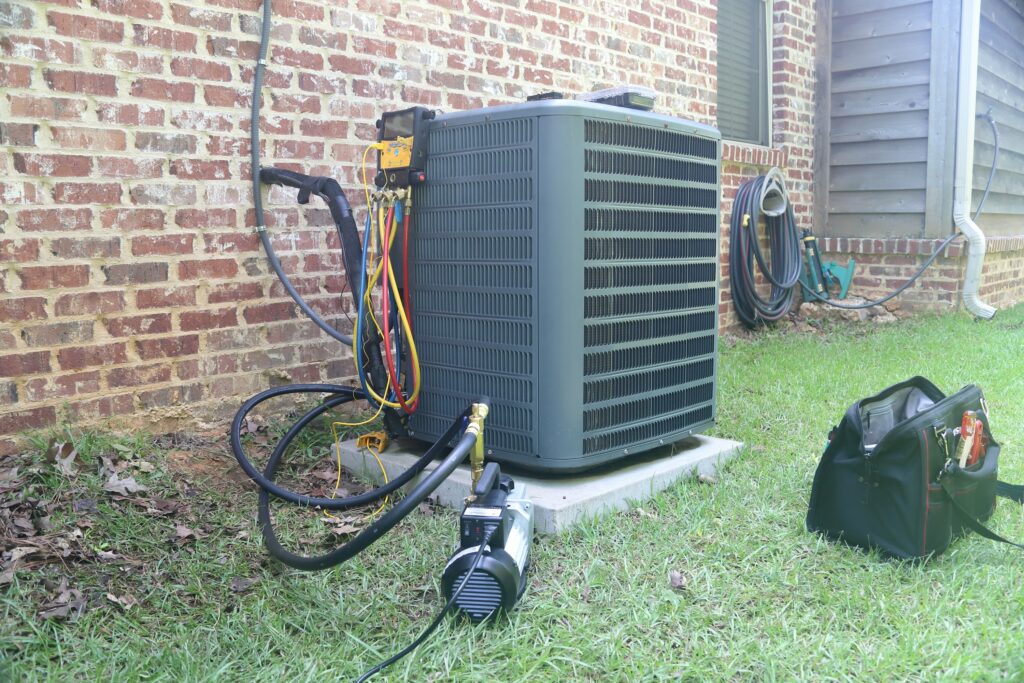
When the San Antonio heat shows up, it does not ease in. It hits fast, and your AC needs to respond just as quickly. If your system struggles, blows warm air, or runs nonstop, you feel it immediately. That is why so many homeowners start asking the same question every spring: “What is an AC tune-up, and do I really need one?” An AC tune-up is a professional service that inspects, cleans, and tests your system so it handles extreme heat without breaking down. It includes maintenance steps that improve efficiency and help you avoid costly repairs.
What Is an AC Tune-Up?
An AC tune-up is a preventative maintenance service that prepares your system for heavy use. Instead of waiting for something to break, you take steps to keep your equipment running smoothly. During a tune-up, one of our technicians will evaluate the condition of your system and perform targeted maintenance tasks. These steps focus on improving efficiency, airflow, and overall reliability.
This service does not include major repairs. If the technician finds an issue, they explain the problem and recommend a separate visit for repair. The goal of the tune-up is to keep your system in good working condition and reduce the risk of unexpected failure. For homeowners asking what is an AC tune-up, the best way to think about it is routine care that protects your investment and keeps your home comfortable.
What Does an AC Tune-Up Include? (Step-by-Step)
You might be wondering: What does an AC tune-up include? The process covers several important components that affect how your system performs. Our team follows a detailed spring HVAC maintenance checklist to ensure nothing gets overlooked.
Inspect and Clean Condenser Coils
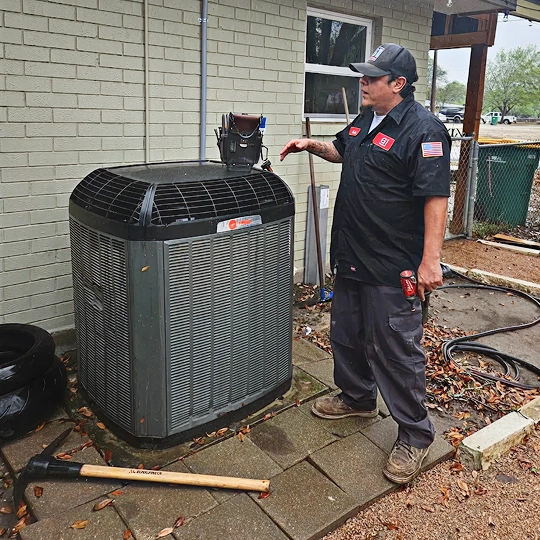
The outdoor condenser unit releases heat from your home. Dirt and debris can build up on the coils and restrict airflow. Cleaning the coils allows your system to release heat more efficiently. This reduces strain and helps maintain consistent cooling performance.
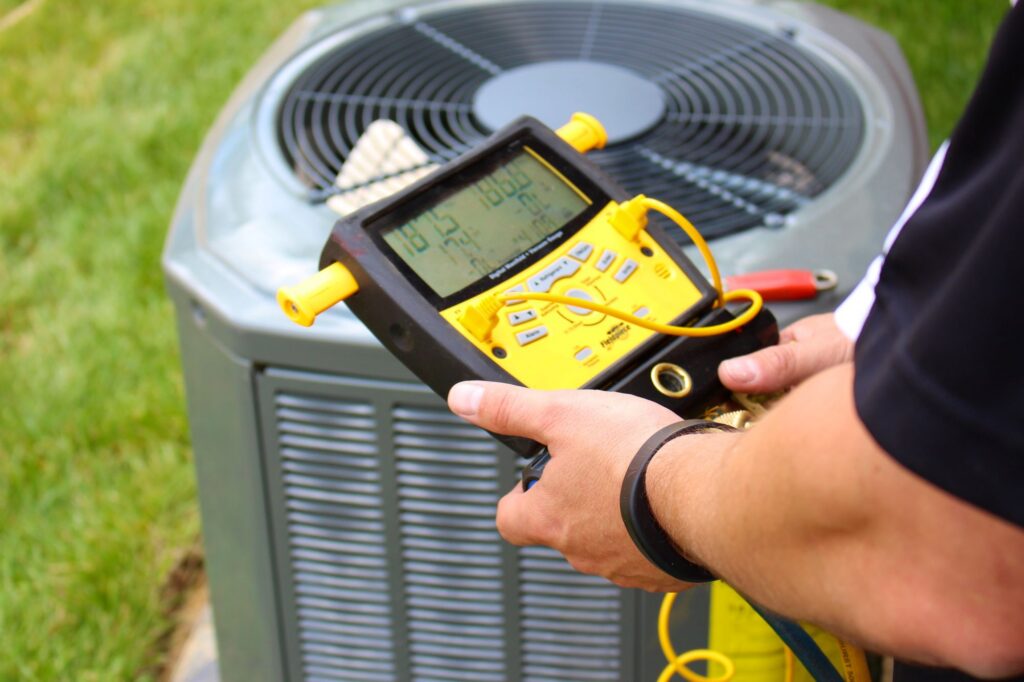
Check Refrigerant Levels
Refrigerant allows your system to absorb and release heat. If levels are too low or too high, your AC cannot cool properly. Our technicians check levels and look for signs of leaks. If an issue exists, they explain the situation and recommend next steps.
Test Electrical Connections and Capacitors
Electrical components control how your system starts and runs. Loose connections or failing capacitors can lead to performance issues or system failure. Our team tests these components to ensure they operate safely and reliably.
Lubricate Moving Parts
Your system contains many moving parts that will need proper lubrication. Without it, friction can increase and cause unnecessary wear. Lubrication helps the components move smoothly and reduces the risk of damage.
Check Thermostat Calibration
Your thermostat controls how well your system responds when the temperature changes. If it is not calibrated correctly, your cooling system may cycle improperly. We will check your calibration to ensure accurate readings and consistent operation.
Inspect and Clear Condensate Drain
Your system removes moisture from the air, and the condensate drain carries that water away. Blockages can lead to leaks or system shutdowns. We inspect and clear the drain to make sure you have proper water flow.
Replace or Inspect Air Filter
The air filter plays a major role in airflow and indoor air quality. A clogged filter has a chance of reducing efficiency and straining your system. We will inspect the filter and recommend a replacement if needed.
How Much Does an AC Tune-Up Cost in San Antonio?
An AC tune-up cost in the San Antonio and Schertz area typically falls within a reasonable range, depending on the level of service and provider. Costs can vary based on the type of system you have.
Some companies offer maintenance plans that provide added value. G1 Air’s Airssurance plan, for example, includes routine maintenance along with additional benefits for managing long-term system care. Paying per visit works well for occasional service, but a plan can offer better value for consistent maintenance and priority scheduling.
DIY Pre-Checks vs. What a Pro Handles
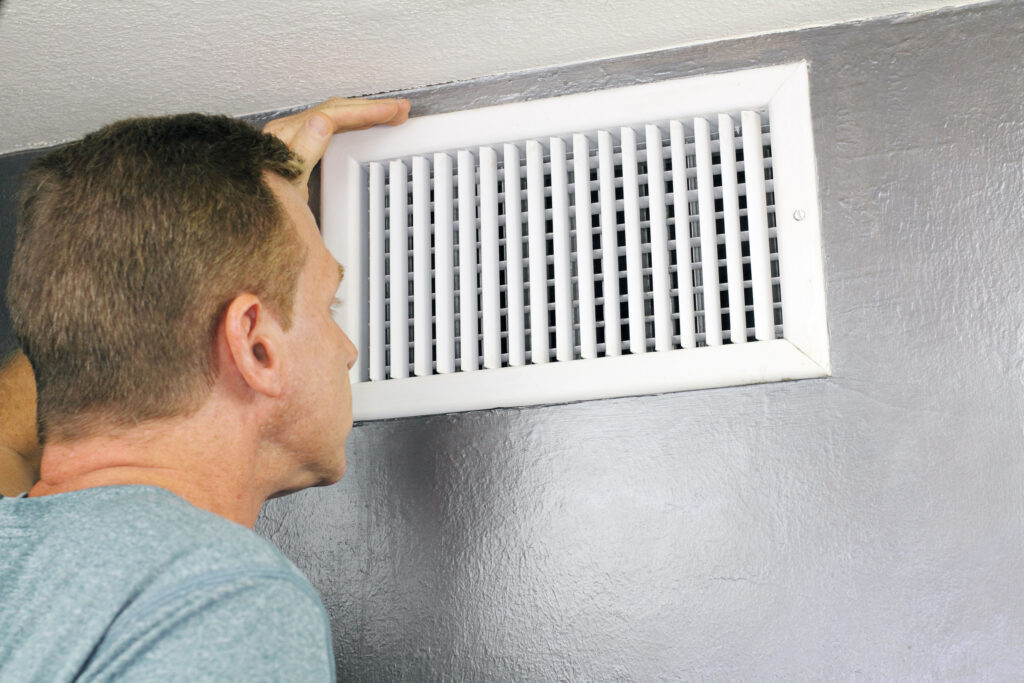
There are a few easy-to-follow steps that you can take before scheduling AC services. These actions help maintain basic system performance. You can check and replace your air filter, clear debris around the outdoor unit, and make sure vents remain open and unobstructed. These tasks support airflow and reduce strain on your system.
Professional maintenance tends to go much deeper. Our technicians handle electrical testing, refrigerant checks, and internal cleaning that require our team to use specialized tools and experience. Trying to perform these tasks without proper training can lead to serious damage or safety risks.
Why Spring Is the Best Time to Schedule
Spring provides the ideal time to schedule maintenance before temperatures reach their peak. Your system has time to prepare for heavy use without the pressure of immediate demand. HVAC companies also have more availability during this season. You will be able to select appointment times that fit your schedule instead of competing with peak summer demand.
Scheduling early will also give you time to address any issues that arise. If we happen to find any problems during an inspection, you can plan repairs for your system without rushing. This will help you avoid delays and ensure your system is ready when the first heat wave arrives.
What Happens If You Skip Annual Maintenance
Skipping annual maintenance can lead to a number of issues that affect performance, cost, and reliability. Without regular service, debris can build up inside your system. This reduces efficiency and forces your air conditioner to work harder to cool your home. Increased strain can shorten the lifespan of your equipment. When this happens, components wear out faster because they are operating under less-than-ideal conditions.
Skipping maintenance can also affect your warranty. Many manufacturers will require you to get regular service to keep your coverage valid. Perhaps most importantly, the chance of needing emergency repairs increases.
Frequently Asked Questions
How often should I get a tune-up?
You should schedule an AC tune-up once per year to keep your system running efficiently. Consider booking this service in the spring before temperatures rise.
How long does it take?
Typically, an AC tune-up takes about one to two hours to complete. The exact time depends on your system’s condition and accessibility.
Will it lower my energy bill?
A tune-up can improve efficiency by helping your system run more smoothly. Better performance often leads to lower energy use over time.
Is it worth it on an older unit?
Yes, regular maintenance can help extend the life of an older system. It also gives you insight into whether you need a replacement soon.
Schedule Your AC Tune-Up With G1 Air Today
If you want your system to run efficiently and reliably this summer, we can help. G1 Air provides professional tune-ups that follow a detailed spring HVAC maintenance checklist to ensure your system is ready for San Antonio heat.
Contact our team to schedule your AC tune-up today.