
One name that’s becoming more common in the residential HVAC sector is ductless mini-split. If you’re like most homeowners, you may be asking yourself what a ductless mini-split is and how ductless mini-split systems work. Below, we’ll dive into more detail about what these units are and the benefits that they can provide for your home.
What Is a Ductless Mini-Split System?
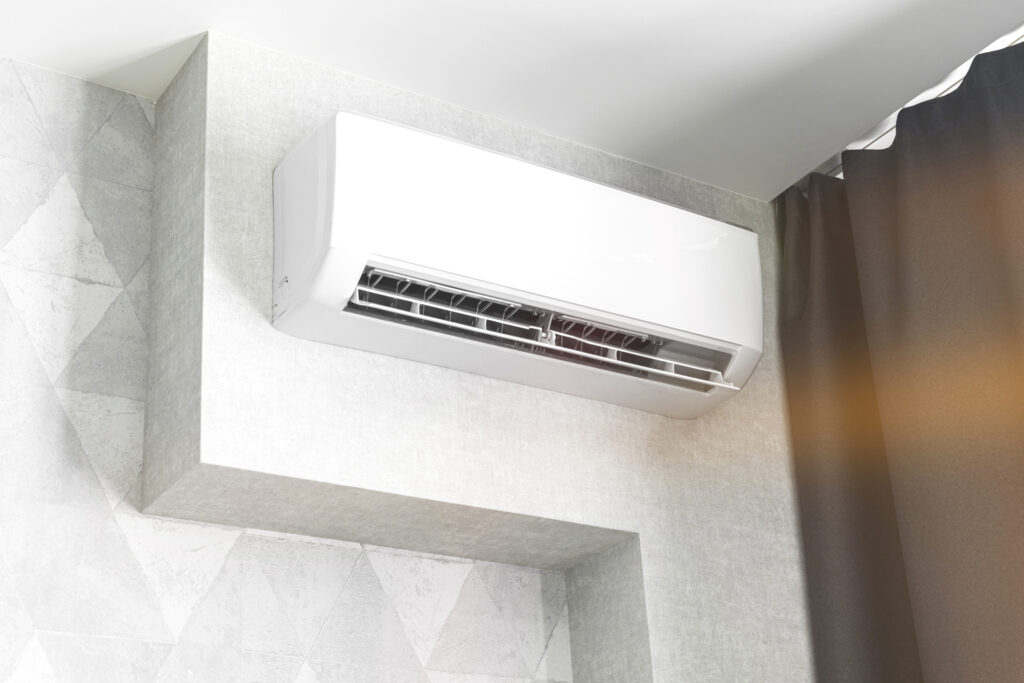
A ductless mini-split system is designed to specifically use refrigerant to transfer heat from one location to the next. Their basic setup relies on standard heat pump technology. The main difference between standard heat pumps and the ductless mini-split is in the indoor air handler units. Instead of using ductwork to deliver hot and cold air throughout your home, Mitsubishi ductless systems utilize multiple indoor air handler units to directly deliver treated air.
These units provide room-by-room comfort, as you can set each indoor air handler unit at its own temperature. This means that you could set your living room to be 70 degrees to keep everyone warm and cozy and your bedroom to be 65 degrees for a cool night of sleep. This not only enhances your comfort but can also reduce unnecessary energy waste to lower your utility bills throughout the year.
How Ductless Mini-Splits Work (Indoor & Outdoor Units)
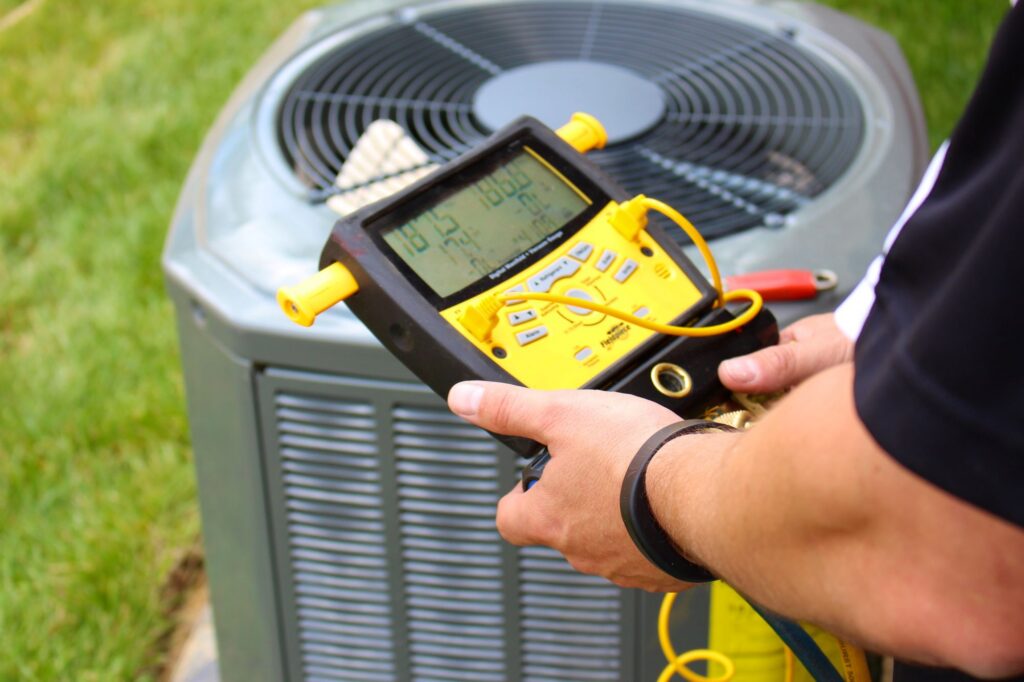
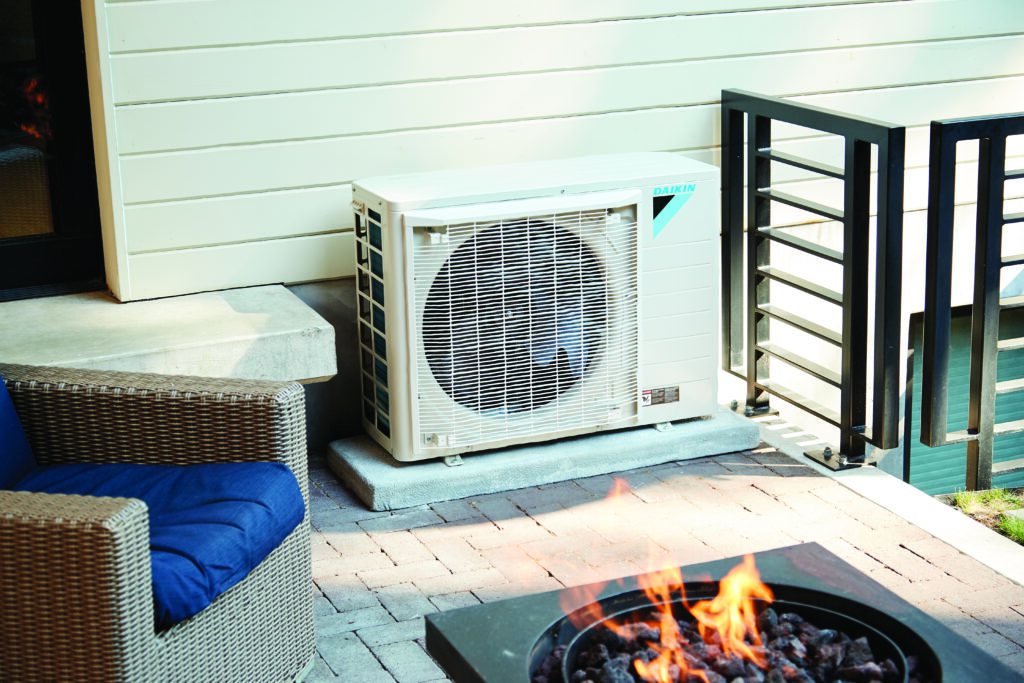
Ductless mini-split systems are comprised of three main components, which are the indoor air handler units, the outdoor condenser unit, and refrigerant lines. Each outdoor condenser unit typically handles up to four indoor air handler unit connections. The condenser unit is placed outside of your home in a discreet location away from direct sunlight.
Indoor air handler units are placed in all the major rooms of your home and connected to the outdoor condenser unit with refrigerant lines. During the summer months, your indoor air handler units will pull in air from the room they’re in and force it over an evaporator coil. Inside the evaporator coil is a cold refrigerant gas. Heat will naturally move from the air to the lower-pressure refrigerant, as heat always moves to the lower-pressure substance.
The compressor pump in the outdoor condenser unit circulates refrigerant from the indoor air handler units to the outdoor condenser unit. At the outdoor condenser unit, heat moves to the outside air at the condenser coil. The remaining refrigerant is circulated back into your indoor air handler units to move more heat outside.
This process continues until your home reaches your desired temperature setting. During the winter months, the ductless mini-split system works in reverse. It will absorb heat from the air outside and transport it into your home to warm it. This type of system provides both heating and cooling in one unit for year-round comfort for your family.
Where Ductless Systems Make Sense in Texas Homes
Ductless mini-split systems are very versatile in their application. You can opt for a ductless mini-split for one room of your home, such as your garage, home office, bonus room, or even an addition. These are great for when you can’t add onto your existing ducting, as they provide a flexible heating and cooling solution.
One of the biggest advantages of ductless mini-split systems is that they’re very easy and non-invasive to install. All that’s needed is a 3-inch hole to run wiring and refrigerant lines from the inside of your home to the outdoor condenser unit.
Most homeowners opt for wall-mounted indoor air handler units, as they’re the most cost-effective. However, if you have adequate space above your ceiling, you could opt for one of the ceiling cassette models that are more discreet. There are also floor-mounted models that look similar to radiators. The beauty of these systems is that they allow you to have zone temperature control.
For example, let’s say that your home addition simply doesn’t stay as cool as other rooms of your home because it doesn’t have vents. A ductless mini-split system can be a great alternative that will provide adequate air conditioning for your addition, keeping your entire home comfortable all summer long.
Key Benefits: Comfort, Efficiency, and Flexibility
Ductless mini-split systems hold many great benefits for homeowners. One of their biggest benefits is that they provide an energy-efficient heating and cooling solution all in one unit. There’s no need to purchase a separate air conditioner and heating system. All you need is one ductless mini-split system to handle your entire home.
These HVAC systems offer some of the highest efficiency ratings on the market today, reaching levels between 300% and 400% efficiency. Unlike most traditional heating systems, ductless mini-split systems do not burn fuel to create heat. This means they don’t produce any toxic exhaust fumes, such as carbon monoxide, that can be dangerous for your home.
The indoor air handler units have variable-speed motors that will fluctuate throughout the day depending on your temperature demands. Instead of turning on and off frequently like traditional HVAC systems, the units will run consistently at a low speed throughout the day. This provides more precise temperature control, which leads to more indoor comfort for you and your family. They also deliver quiet operation.
Ductless Mini-Splits vs. Window Units and Central AC
When homeowners first start learning about ductless mini-split systems, some of their biggest questions are about mini-split vs. central AC selection. When it comes to home cooling, central air conditioners have been the standard for decades. These easily integrate with your existing furnace and use your ducting to deliver conditioned air throughout your entire home.
However, one thing to keep in mind about central air conditioners is that they’re susceptible to air loss due to gaps and leaks in your ductwork. This means that only a percentage of the cold air that your system produces actually makes it to the rooms in your home.
This is where a ductless mini-split system shines. Because there’s no ducting involved with these systems, there’s no air loss. All the cold air that’s created in the indoor air handler unit gets directly blown into the room the unit is in.
Even better, you can set different temperatures for each individual indoor air handler unit. This allows you to turn up the temperature in rooms that you don’t use often to save money on your energy bills. With ductless AC installation, you can enjoy more efficient system operation and enhanced indoor comfort.
Is a Ductless Mini-Split Right for Your Home?
When determining whether a ductless mini-split is right for your home, there are many factors that you want to take into consideration. One of the first is the ductless mini-split cost range, so you understand if it will fit within your budget. The total cost of a ductless mini-split system is dependent on a few different attributes. These include the number of indoor air handler units that you need and their size. Larger units will cost more than smaller ones.
Ductless mini-split systems with a higher operating efficiency rating will cost more than those with a lower efficiency rating. Additionally, the brand name of the system will also influence its overall price. Our technicians can happily provide you with a free estimate.
Schedule a Free Consultation With G1 Air Today!
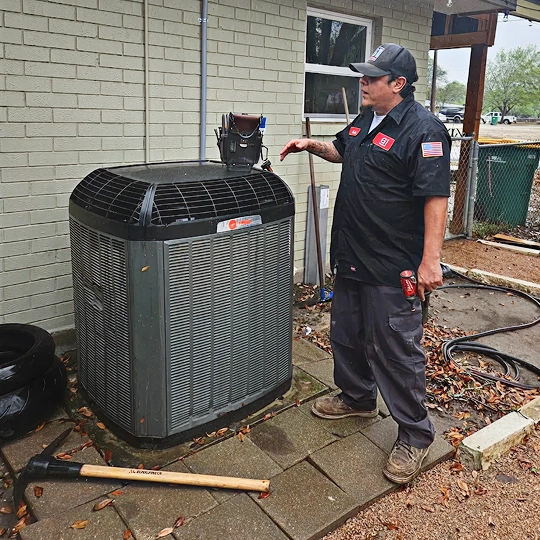
G1 Air is your local expert for ductless mini-split installation, maintenance, and repair services. We’re proud to be a Mitsubishi Ductless Elite Pro and a Trane Comfort Specialist. We encourage you to contact us today to schedule a free consultation to determine if this system is the right option for your home.
FAQs
Whether it’s about the benefits of ductless mini-splits or ductless mini-split zoning, we receive many questions from our customers. Below, we’ll answer some of the most common questions we get regarding ductless mini-split systems.
How Many Rooms Can A Mini-Split Cover?
Ductless mini-split systems are specifically designed to have an indoor air handler unit in each main room of your home. Each indoor air handler unit is appropriately sized for that individual space. Our technicians can do a thorough evaluation of your home and recommend how many indoor air handler units you will need to keep your home comfortable throughout the year.
Can Mini-Splits Heat And Cool?
Yes, ductless mini-split systems can both heat and cool your home. It’s important to know that the systems are designed so that all your indoor air handler units are either set to heating mode or cooling mode. Each individual unit has its own internal thermostat, allowing you to set one room to 68 degrees and another to 72 degrees for ultimate comfort.
What's Their Expected Lifespan?
On average, most ductless mini-split units have an expected lifespan of 15 to 20 years. This assumes they receive proper care and upkeep. Factors that can influence lifespan include usage patterns, the amount of maintenance they receive, and more.
What Noise Levels Can You Expect?
Ductless mini-split units are some of the quietest HVAC systems on the market today. Their ability to operate at low levels makes them ultra-quiet. In fact, they’re much quieter than standard HVAC systems and window AC units.
Should I Choose Ductless Or Window Units For Add-Ons?
If you’re putting an addition on your home or you would like to control the temperature in your garage or screened-in porch, you have two options. Window units can be costly to run and are often an eyesore, and they restrict your ability to use the window. Ductless mini-splits are typically a better option, as they provide more efficient cooling and heating for year-round comfort.